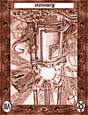
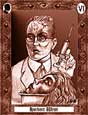
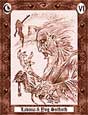
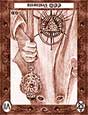
| The Celtic Cross spread is one of the most popular Tarot spreads, providing varied insight into many aspects of a complex situation and your role in it. The Benedetti Tarot is a highly stylized deck painted on gold leaf. 7 years in the making, the images were inspired by the Visconti Tarot, the earliest Tarot deck still in existence. The Benedetti Tarot is the favorite deck of those who seek simplicity and elegance in their lives. |
 | The card not shown but at the center of the cross, represents the atmosphere surrounding the central issue. Three of Wands (Virtue): Personal fortitude and strength of character. Accumulated power set in motion towards a distant goal. The initiation of an enduring partnership based on absolute trust. Honor maintained in a time of desperate struggle. Taking full responsibility for a decision, and bearing the solitude of leadership. |
 | The card visible at the center of the cross represents the obstacle that stands in your way - it may even be something that sounds good but is not actually to your benefit. The Lovers: A caring and trusting relationship. Beauty and inner harmony. A decision calling for emotional control and faithfulness to spiritual values. |
 | The card at the top of the cross represents your goal, or the best you can achieve without a dramatic change of priorities. Queen of Cups: The essence of water, such as a deep and placid lake: Spirituality, maturity, and grace. A natural counselor and healer, One whose relaxed presence seems to embody deep love and spirituality. A tranquil poet who reflects the nature of the observer. The embrace of all things dreamlike and receptive, such as perfect and unconditional love. |
 | The card at the bottom of the cross represents the foundation on which the situation is based. Two of Cups (Love), when reversed: Instability in romance, friendship, or business. A deep infatuation that excludes existing friends. A false promise or premature commitment. The entanglement of male and female interpreted in the broadest sense. The profaning of the sacred through the introduction of base desire. Folly, depletion, and waste. May suggest conflict, divorce, or a severing of ties. |
 | The card at the left of the cross represents a passing influence or something to be released. Five of Pentacles (Worry), when reversed: Concern over finance leads to prudent action. Impending physical threat is met with calm and skill. Suffering and loneliness leads to spiritual growth. Stress is met without resorting to excess or the pursuit of oblivion. |
 | The card at the right of the cross represents an approaching influence or something to be embraced. Page of Swords: The essence of air behaving as earth, such as a steady wind: The approach of an unexpected challenge, to be met with clear thought and just action. A person filled with an eager appetite for all matters of mind and logic. The gathering of information through unfaltering vigilance, careful examination, and subtle spycraft. The use of reason or eloquent speech to penetrate the veil of confusion and cut to the heart of the matter. |
 | The card at the base of the staff represents your role or attitude. Three of Swords (Sorrow): Unsettling news leading to heartbreak or loneliness. Tactless or hurtful words. Acting without consideration for the emotions of others. Betrayal of trust or confidence. The revelation of a painful truth. |
 | The card second from the bottom of the staff represents your environment and the people you are interacting with. Four of Pentacles (Power), when reversed: Using your power freely for your own enjoyment and the betterment of others. Coming to grips with progress and using your position to help it along. Finding security and identity someplace other than in the possession of material things. Letting go and encouraging others to find their own path. Being magnanimous and generous with your success. |
 | The card second from the top of the staff represents your hopes, fears, or an unexpected element that will come into play. The Fool, when reversed: Apathy, negligence, and dangerous carelessness. Unquenchable wanderlust. Obsession with someone or something. Losing all sense of proportion. Foolhardy adventuring and lack of interest in critical matters. Immature or unrealistic ideals. Strange impulses and desires coming from unexpected sources. Vanity, delirium, folly, and oblivion. |
 | The card at the top of the staff represents the ultimate outcome should you continue on this course. The Hierophant, when reversed: Authoritarianism. Inflexible and dogmatic thinking. A calcified old regime. Bad or incompetent advice. Inability to hear a higher or inner voice, or pretending to hear it for personal gain. |