Today's Tarot for Josh Hartnett
| The Twisting Path spread provides insight into the path ahead of you and the choices you must make. This is the spread for situations where more than one pitfall may lie ahead. The Aquatic Tarot is a modern watercolor interpretation of the classic Rider Waite symbolism. It is rapidly becoming one of the most popular decks, due to both its spectacular beauty and its traditional imagery. |
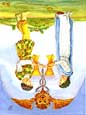
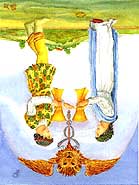 | The card at the lower left, represents the first decision along your path. Two of Cups (Love), when reversed: Instability in romance, friendship, or business. A deep infatuation that excludes existing friends. A false promise or premature commitment. The entanglement of male and female interpreted in the broadest sense. The profaning of the sacred through the introduction of base desire. Folly, depletion, and waste. May suggest conflict, divorce, or a severing of ties. |
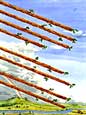
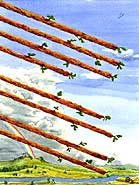 | The card to the far left represents the first false path that may lead you astray. Eight of Wands (Swiftness): A sudden release of raw power, cutting through confusion and indecision, and setting things in motion. Rapid progress towards a desired goal, brought about by immediate and decisive action. Boldness and daring in love, business, travel, or spiritual growth. |
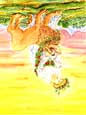
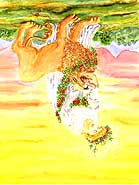 | The card in the middle represents the second decision along your path. Strength, when reversed: Weakness in the face of obstacles and adversity. Tremendous power released at the wrong moment. Inability to defend oneself. Confusion, and lack of preparedness. Illness, hardship, distress and the failing of physical force. Dominant behavior, abusiveness and a possible loss of reputation. |
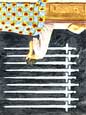
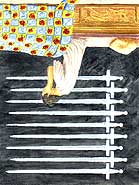 | The card at the lower right represents the second false path that may lead you astray. Nine of Swords (Cruelty), when reversed: Mental anguish or ill health endured and overcome. Refusal to be dragged down by the dishonor of others. Attempting to avert a shameful or regrettable act. Faithfulness, patience and unselfishness. May indicate the narrow avoidance of a death or other catastrophic loss. |
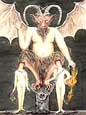
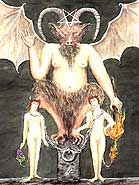 | The card at the top represents one possible mask of your true destination. The Devil: Being seduced by the material world and physical pleasures. Lust for and obsession with money and power. Living in fear, domination and bondage. Being caged by an overabundance of luxury. Discretion should be used in personal and business matters. |
|
|