| The Two Paths spread provides insight into an important decision ahead of you, the possible outcomes, and the forces that draw you towards each of these outcomes. The Lovecraft Tarot is a tribute to the gothic writings of the visionary H.P. Lovecraft. It is the deck of choice for explorers of the macabre, and for posing questions that should never be asked. If you would like your own copy of the Lovecraft Tarot, you can buy it now! |
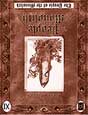
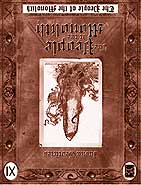 | The top left card represents the first possible outcome. Page of Tomes (The People of the Monolith), when reversed: The dark essence of fire behaving as earth, such as dry wood: The surprising appearance of a new passion or inflammatory news. A trickster who can unexpectedly ignite a dangerous situation. The intensity and childish imagination that can send even the most stable venture spinning wildly out of control. Can represent a person outwardly timid, but harboring unexpected inner fury. May indicate the birth of a child. |
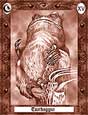
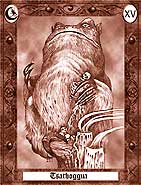 | The top right card represents the second possible outcome. Tsathoggua: Being seduced by the material world and physical pleasures. Lust for and obsession with money and power. Living in fear, domination and bondage. Being caged by an overabundance of luxury. Discretion should be used in personal and business matters. |
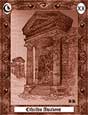
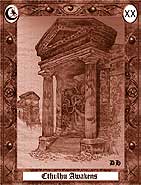 | The middle left card represents the force drawing you towards the first possible outcome. Cthulhu Awakens: A swift and conclusive decision. The resolution of a matter long unanswered. A change in point of view, most frequently towards greater enlightenment. Final balancing of karma. |
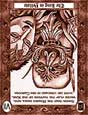
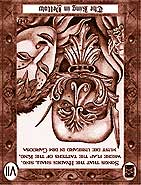 | The middle right card represents the force drawing you towards the second possible outcome. Seven of Tomes (The King in Yellow), when reversed: Failure to stand up for your beliefs in the face of a hostile majority. A self-fulfilling fear of failure or embarrassment. Great challenges met with cowardice. Quarrels, perplexity, and indecision at a crucial moment. |
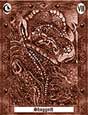
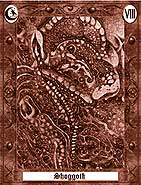 | The bottom card represents the critical factor that decides what will come to pass. Shoggoth: Raw power. Health and physical fortitude. A surge of tremendous force. Recovery from sickness. Victory after apprehension and fear. The ability to face and overcome opposition brings the inner qualities of strength and forbearance. Delays and setbacks will be overcome. |