| The Celtic Cross spread is one of the most popular Tarot spreads, providing varied insight into many aspects of a complex situation and your role in it. The William Blake Tarot explores the mystical vision and artistry of the renowned English painter and poet. Through rich interpretations focused on creative undertakings, it has long been the deck of choice for artists, writers, musicians, and thinkers. For more information about this deck, or to buy your own personal copy, go to www.blaketarot.com.
|
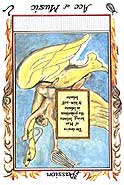 | The card not shown but at the center of the cross, represents the atmosphere surrounding the central issue. Ace of Music (Passion), when reversed: Emotions repressed or violently out of control. A lack of passion or connection to your highest potential. Being led astray from meaning and fulfillment. Inhibition. In the creative process: A passionate desire to rise above the norm, to soar to personal new heights of creative vision. |
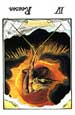
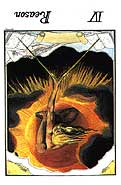 | The card visible at the center of the cross represents the obstacle that stands in your way - it may even be something that sounds good but is not actually to your benefit. Reason, when reversed: Naked rationalism is in the driver's seat. Being out of touch with your heart and inner voice. Feeling bound by rules without context. Finding oneself trapped in a hierarchy, whether at the top or the bottom. Reliance on the patriarchal or traditional approach in the face of changing times or contexts. Fathering issues. Watch for ironies, as the emperor has no clothes. |
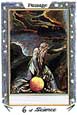
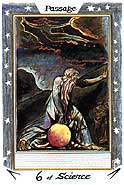 | The card at the top of the cross represents your goal, or the best you can achieve without a dramatic change of priorities. Six of Science (Passage): Opening the way or clearing obstacles. Movement of information. A Rite of Passage. A stressful journey. Seeking a sense of purpose. Receiving guidance from a higher source. Exploring new terrain. In the creative process: Your imagination needs to be uncovered or unleashed by resolving contradictory elements and seeking spiritual guidance. |
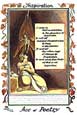
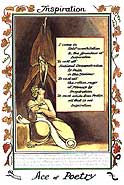 | The card at the bottom of the cross represents the foundation on which the situation is based. Ace of Poetry (Inspiration): "I come in Self-annihilation & the grandeur of Inspiration / To cast of Rational Demonstration by Faith in the Saviour / To cast off the rotten rags of Memory by Inspiration / To cast aside from Poetry all that is not Inspiration". The kiss of divine inspiration. Receiving an impetus to creative action. Getting in touch with higher consciousness or Spirit. Experiencing a personal vision of truth, beauty, ecstasy. Discovering sexuality as a metaphor for imaginative experience. Sense of being guided by a higher force. The "Yes!" card. A soulful new beginning. In the creative process: Being in contact with the purest and highest part of your being provides the impetus for fresh expressions in both art and life. |
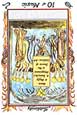
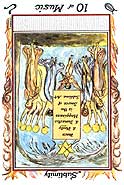 | The card at the left of the cross represents a passing influence or something to be released. Ten of Music (Sublimity), when reversed: Gifts of love withheld, especially in relationship or marriage. Hiding your deepest feelings from others. Subtle barriers to friendship and social involvements. Failure to recognize achievement. A dull tinge to the happiness of hearth, home, and hospitality. Slight lack of fulfillment in communal or community involvement. In the creative process: Combine your efforts with others to create a unified whole greater than the sum of its parts. |
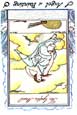
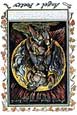
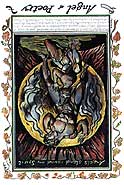 | The card at the right of the cross represents an approaching influence or something to be embraced. Angel of Poetry, when reversed: Burst of imagination that requires action. Feeling torn apart by creative fire. Profound inner realization that cannot be dealt with. Being drawn by the Spirit away from Reality. Madness brought on by creative forces unbound. In the creative process: Imaginative insights are transforming your work, making it into a receptacle of divine truth and spiritual artistry. |
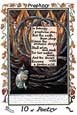
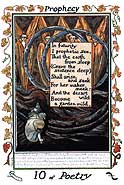 | The card at the base of the staff represents your role or attitude. Ten of Poetry (Prophecy): "In futurity / I prophetic see / That the earth from sleep / (Grave the sentence deep) Shall arise and seek / For her maker meek: And the desart wild / Become a garden mild". Experiencing a feeling of spiritual elevation. Profound existential gratitude. Communion with elemental forces. Acceptance of divine will. Things are turning on the hinge of fate. Having the gift of prophecy, and speaking the truth. "Telling it like it is." Commitment to serve the greater good. Awakening to the larger implications of life. In the creative process: A time of divine grace in which you have special access to creativity. Be humble despite your achievements; you are channeling from a higher source. |
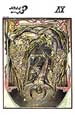
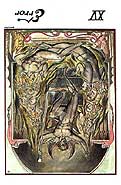 | The card second from the bottom of the staff represents your environment and the people you are interacting with. Error, when reversed: Rising above the temptation of manipulation or duplicity. Maintaining a sense of humor about oneself. Keeping your lower nature or personal shadow in check. Seeing beyond your fears and ignorance. Resisting the pressure of materialistic, institutional, or corporate agents. Freedom from sexual or material bondage. Not giving in to temptation, guilt, or panic. |
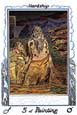
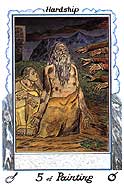 | The card second from the top of the staff represents your hopes, fears, or an unexpected element that will come into play. Five of Painting (Hardship): Tangible difficulties, insecurity, or financial worries. Possible material losses, pain, or illness. Accusations and criticism, or blame from others. Exclusion. Suffering. Issues of support, loyalty, or companionship in hard times. In the creative process: Realize that the problems you are trying to solve may put you at odds with others who do not recognize your value. Be ready to grapple with personal blocks and fears, and to hear more from your inner voice than reasons why things won't work. |
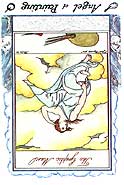 | The card at the top of the staff represents the ultimate outcome should you continue on this course. Angel of Painting, when reversed: Visionary reverie. Plans and agendas lost in wild flights of imagination. Action taken without contemplation. Making use of inappropriate tools. Diving into the situation without vision or foresight, particularly its physical or material aspects. In the creative process: Look for or contemplate a solid idea, a practical point of view that can instigate a whole new direction in your work or project. |