Today's Runes for Celine Dion
| The Cross spread is used to plot the arc of your life and the forces acting on it. It is the most popular spread, giving a very complete view of the situation. Jade Runes are most commonly used for questions about love, friendship, and relationships. |
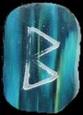
| The left rune represents an important element of the past. Berkana represents the birch tree. The birch is frequently symbolic of renewal, rebirth, birth, growth and fertility. This rune is a joyous one, representing good outcomes from ventures undertaken. It is the rune of the family and of a good household. |
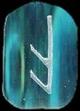
| The middle rune represents a deciding element of the present. Ansuz is the spoken word of God. This rune is reversed, indicating that you are misunderstanding the divine voice or failing to hear it all. The word is always correct, so you must strive, whatever the difficulty, to hear correctly. Be wary of the advice you are given, for it may prove incorrect. Do not attribute infallibility to fallible sources... |
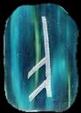
| The top rune represents a force that works for you. Fehu is the rune of cattle, the symbol of wealth in the old Norse civilization. Since Fehu is the first rune in Frey's aett, it is a rune of fertility as well. As seen here reversed, it can represent barrenness or the loss of wealth. Some interpret Fehu as representing children, in which case the reversal may portend the distancing of a child from her or his parents. |
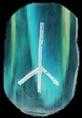
| The bottom Rune represents a force that works against you. Algiz plainly shows the antlers of the elk that it represents. The elk is the object of the hunt, and hence Algiz speaks to the pursuit of goals and the thrill of that pursuit. The rune is currently shown reversed, so this could suggest a failed endeavor or a lack of effort. Algiz is also representative of a protective hand (fingers open wide), so the reversed form may indicate a failed defense. |
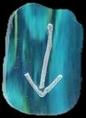
| The right rune represents the critical element of the future, at the core of the final outcome. Tyr was the Norse god of war. It was through his sacrifice that the great force of chaos, the wolf Fenrir was bound. Here however, you have drawn the rune reversed. This could mean that a sacrifice made will not lead to the desired result. It could also mean a loss, or a victory overturned. This rune warns against entering into conflicts or negotiations, especially ones requiring that an offering or concession be made - the wolf might take your hand and yet remain unbound. Note also that Tyr was the god of law, so there is a suggestion of a wrongdoer who will avoid justice. |
|
|