Today's Runes for Wassily Kandinsky
| The Fork spread is used at critical turning points, to understand the dynamics of an important decision. Ice Runes are most commonly used for questions about struggle, conflict, and achievement. |
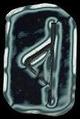
| The left rune represents the first possible outcome. Thurisaz the thorn represents barriers and senseless violence. Here we see the thorn overturned. This could mean that erected barriers will not hold, or that senseless violence can be avoided. Also, remember where thorns are found - perhaps this rune portends that a goal can be obtained easily and without interference. Grasp for the rose... |
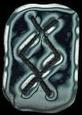
| The right rune represents the second possible outcome. Inguz is the rune of completion and fertility. The presence of this rune suggests that tasks which have been initiated will come to fruition. This rune is associated with Ing and Frey, it is this connection that explains its connotations of both fertility and sexuality. The variant of this rune shown here is reminiscent of the twin strands of life, and of the challenge and rewards of bringing together things complimentary. |
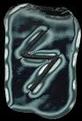
| The bottom rune represents the critical factor that determines what will come to pass. Sowelu is a strong symbol, for it represents the sun. Unlike equatorial cultures that may see the sun as a harsh and imperial force capable of causing droughts, in the cold north the sun is a purely feminine force that gives life and allows crops to grow. In dark times, this rune represents clarity of sight and the victory of good over evil. Sowelu is irreversible, as the cycles of the sun and seasons are perpetual. |
|
|