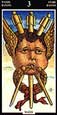
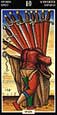
| The Celtic Cross spread is one of the most popular Tarot spreads, providing varied insight into many aspects of a complex situation and your role in it. The Ator Tarot is a smart and whimsical spin on Rider Waite symbolism. The clunky and adorable characters of the Ator Tarot make it the deck of choice for those seeking a refreshing approach to divination. If you would like your own copy of the Ator Tarot, you can buy it now! |
 | The card not shown but at the center of the cross, represents the atmosphere surrounding the central issue. The Fool: Fearlessness, imagination, open-mindedness, and an adventurous spirit. Freedom from cares and worries. Ideas, thoughts, and impulses coming from a completely unexpected place. Nonchalance at the threshold of gaining all or losing all. Extravagance and intoxication with life. The pure and undifferentiated power of creation itself, where ultimate knowledge and oblivion are unified. |
 | The card visible at the center of the cross represents the obstacle that stands in your way - it may even be something that sounds good but is not actually to your benefit. The Sun: A time of contentment and freedom from restraints. Creative inspiration. Achievement, success, and warmth. Light and love in personal or business matters. Happiness and faithfulness in a relationship. |
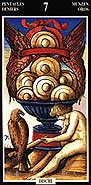
 | The card at the top of the cross represents your goal, or the best you can achieve without a dramatic change of priorities. Seven of Swords (Futility), when reversed: Being trapped in a hopeless situation and unable to withdraw. A feat of daring that is too much for you to handle. Being caught in the middle of a desperate act of cunning or outright deception. |
 | The card at the bottom of the cross represents the foundation on which the situation is based. The Hanged Man, when reversed: Life in suspension. Selfish, materialistic, and untrusting attitudes. Unwillingness to make necessary sacrifices. Going along with the crowd, and refusing to hear the inner voice. Concessions and appeasements that backfire. |
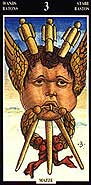
 | The card at the left of the cross represents a passing influence or something to be released. Three of Swords (Sorrow): Unsettling news leading to heartbreak or loneliness. Tactless or hurtful words. Acting without consideration for the emotions of others. Betrayal of trust or confidence. The revelation of a painful truth. |
 | The card at the right of the cross represents an approaching influence or something to be embraced. The World: Completeness and intricacy of design. A great work. Achievement, reward, and well-earned recognition. A time of success, prosperity, security and joy. May also indicate travel or a change in residence. |
 | The card at the base of the staff represents your role or attitude. The Devil, when reversed: Resistance of temptation. Freedom from bondage. The pursuit of higher goals despite the influence of luxury and pleasure. Release from obsession with money and power. Liberation from fear, weakness and indecision through communion with higher powers or the inner voice. |
 | The card second from the bottom of the staff represents your environment and the people you are interacting with. The Star: New hopes and splendid revelations of the future. Insight, inspiration, courage and enlightenment of the spiritual self. Body and mind and converging towards the light at the end of a dark time. |
 | The card second from the top of the staff represents your hopes, fears, or an unexpected element that will come into play. Eight of Wands (Swiftness), when reversed: Too much force applied too suddenly. A flash in the pan. A foolhardy and untimely plunge into the unknown. Impatience leading to poor decisions in love, business, travel, or spiritual growth. |
 | The card at the top of the staff represents the ultimate outcome should you continue on this course. Four of Cups (Luxury): Being surrounded by love and devotion but taking it for granted. Ignoring the real and longing for the indefinable. Apathy and disengagement from the world. Dissatisfaction with the condition and direction of affairs, but the inability to accept new opportunities. |