Today's Tarot for Heidi Klum
| The Twisting Path spread provides insight into the path ahead of you and the choices you must make. This is the spread for situations where more than one pitfall may lie ahead. The Rider Waite Tarot is the most widely recognized Tarot deck, and the first deck published in the 20th century. It was created by members of the Hermetic Order of the Golden Dawn, and is especially suited to questions of a mystical nature. If you would like your own copy of the Rider Waite Tarot, you can buy it now! |
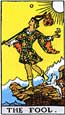
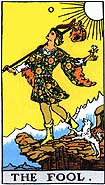 | The card at the lower left, represents the first decision along your path. The Fool: Fearlessness, imagination, open-mindedness, and an adventurous spirit. Freedom from cares and worries. Ideas, thoughts, and impulses coming from a completely unexpected place. Nonchalance at the threshold of gaining all or losing all. Extravagance and intoxication with life. The pure and undifferentiated power of creation itself, where ultimate knowledge and oblivion are unified. |
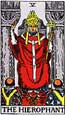
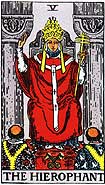 | The card to the far left represents the first false path that may lead you astray. The Hierophant: Faith in tradition and the old school. A justified and ancient source of power. Being supportive, sympathetic and loyal. Receiving instructions, learning, guidance or inspiration. The ability to hear a higher or inner voice. May also indicate a religious ritual, such as a marriage or an initiation. |
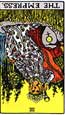
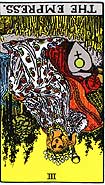 | The card in the middle represents the second decision along your path. The Empress, when reversed: Stifling matriarchal influence. Unhappiness, selfishness, poverty and disruption of the home or family. Indecision, paranoia, and jealous rage. Sterility. |
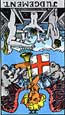
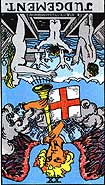 | The card at the lower right represents the second false path that may lead you astray. Judgement, when reversed: Procrastination and indecision. Disillusionment and the inability bring a matter to conclusion. |
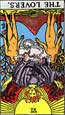
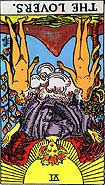 | The card at the top represents one possible mask of your true destination. The Lovers, when reversed: Inner strife, frustration, suspicion, and disagreements in a relationship. Irresponsibility and indecision. Avoiding true intimacy in favor of lust. Unfaithfulness. |
|
|