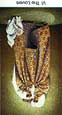
| The Two Paths spread provides insight into an important decision ahead of you, the possible outcomes, and the forces that draw you towards each of these outcomes. The Cat People Tarot paints a picture of faraway lands trod by mystical archetypes and their feline companions. This deck is a perfect tool for dreamers and idealists, and is a great choice for divining the nature of human imagination. If you would like your own copy of the Cat People Tarot, you can buy it now! |
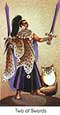
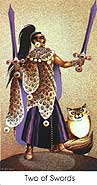 | The top left card represents the first possible outcome. Two of Swords (Peace): Balance force. Harmony. Firmness. Concord. Offsetting factors. Stalemate. Affection. |
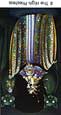
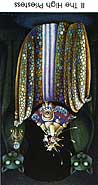 | The top right card represents the second possible outcome. The High Priestess, when reversed: Ignorance. Shortsightedness. Lack of understanding. Selfishness. Acceptance of superficial knowledge. Improper judgment. Shallowness. |
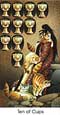
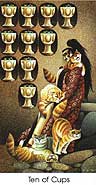 | The middle left card represents the force drawing you towards the first possible outcome. Ten of Cups (Satiety): Home. Abode. Happiness. Joy. Pleasure. Peace. Love. Contentment. Good family life. Honor. Esteem. Virtue. Reputation. |
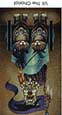
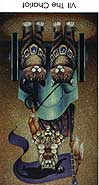 | The middle right card represents the force drawing you towards the second possible outcome. The Chariot, when reversed: To be unsuccessful. Defeat. Failure. At the last minute to lose something otherwise within grasp. Sudden collapse of plans. Vanquishment. |
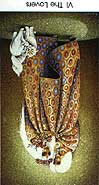 | The bottom card represents the critical factor that decides what will come to pass. The Lovers, when reversed: Failure to meet the test. Unreliability. Separation. Frustration in love and marriage. Interference by others. Fickleness. Untrustworthiness. Unwise plans. |