| The Creative Process spread is designed specifically to peer into the nature of a project or creative undertaking, and shine a spotlight on the evolution of its parts. The Cat People Tarot paints a picture of faraway lands trod by mystical archetypes and their feline companions. This deck is a perfect tool for dreamers and idealists, and is a great choice for divining the nature of human imagination. If you would like your own copy of the Cat People Tarot, you can buy it now! |
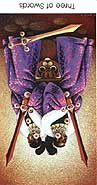 | The card in the middle represents the creative force behind the project, be it a person, organization, or other entity. Three of Swords (Sorrow), when reversed: Distraction. Confusion. Disorder. Error. Mistake. Incompatibility. Mental anxieties. Loss. Alienation. |
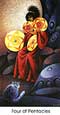
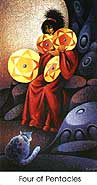 | The card on the top represents imagination - the prophetic image that stems from the creative force of the previous card to initiate the project. This is the poetry or voice of the undertaking. Four of Pentacles (Power): Love of material wealth. Hoarder. Usurer. Skinflint. Miser. Ungenerous person. Inability to share. |
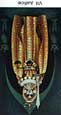
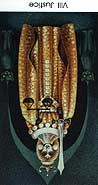 | The card on the left represents emotion - the feelings aroused by or surrounding the ideation of the project that takes place in the previous card. This is the music or scent of the undertaking. Justice, when reversed: Bias. False accusations. Bigotry. Severity in judgment. Intolerance. Unfairness. Abuse. |
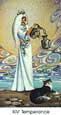
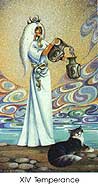 | The card on the bottom represents thought - the analytical process of organizing the project and capturing the emotional content of the previous card. This is the science or vision of the undertaking. Temperance: Moderation. Temperance. Patience. That which can be accomplished through self-control and frugality. Accommodation. Harmony. The mixing or bringing together into perfect union. Management. Compatibility. Fusion. Good influence. Fortunate omen. Consolidation. Possibly a person without excessive tendencies. Confidence and placidity. Possibly too temperate and moderate to achieve a goal presently out of reach. |
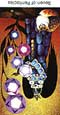
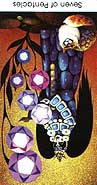 | The card on the right represents manifestation - the real work involved in completing the project, and the form it will take upon culmination. This is the painting or touch of the undertaking. Seven of Pentacles (Assessment), when reversed: Anxiety. Impatience. Uneasiness. Imprudent actions. Loss of money. Unwise investments. |